
WINTER
Winter trucking: gateways, cold, and slack
On this page
Winter road freight from Xinjiang through Central Asia to Iran is not decided by a website weather forecast. It is decided by whether the gateway is open, whether the cargo can freeze, whether the packing survives a transload, and whether delivery stops at a yard or at Tehran West Customs. No published rates, and no closure calendar on this page. Tilt / curtain-side semi-trailers, up to 80 m³ and 22 tons per truck. Turgart and Alashankou are not operated.
- Both exits can be quoted: Wuqia (via Kyrgyzstan; 0.4% transit tax paid by the customer) and Khorgos (via Kazakhstan; that tax does not apply)
- Cold changes diesel, batteries, film and liquids; this page does not state temperatures or closure dates
- Two confirmed deliveries only: yard-to-yard, or Iran CPT / DAP to the Tehran West Customs bonded warehouse
- Lithium must be declared at inquiry; undeclared cargo is refused. Rates and transit follow the formal quote, not a promise
How to choose a winter gateway and route
Xinjiang has two road exits. Wuqia runs Kyrgyzstan–Uzbekistan–Turkmenistan into Iran. Khorgos runs Kazakhstan–Uzbekistan–Turkmenistan into Iran. Central Asia routing and transit time come with the formal quote. A winter gateway choice is about open roads, operating hours, whether transload yards are working, and the buyer’s delivery point — not about which line is “faster in winter”.
On the Wuqia line Kyrgyzstan levies 0.4% of the cargo-invoice value as a transit tax: a tax, not freight, excluded from the quotation and paid by the customer. The Khorgos line runs through Kazakhstan and never carries that 0.4%. Tax, delivery point and the road as it stands that week are all decision factors. Do not treat Khorgos as the winter default, and do not treat Wuqia as closed. TIR is optional: sealing at origin can cut the number of transloads, but it is not zero transload, and it does not by itself change transit time or price. A direct truck transloads once in Bukhara. A transload truck transloads in Osh and Bukhara, or at the Iran border. If a transload yard is under snow or a queue, extra transloads add waiting. That is a planning issue, not an equipment promise.
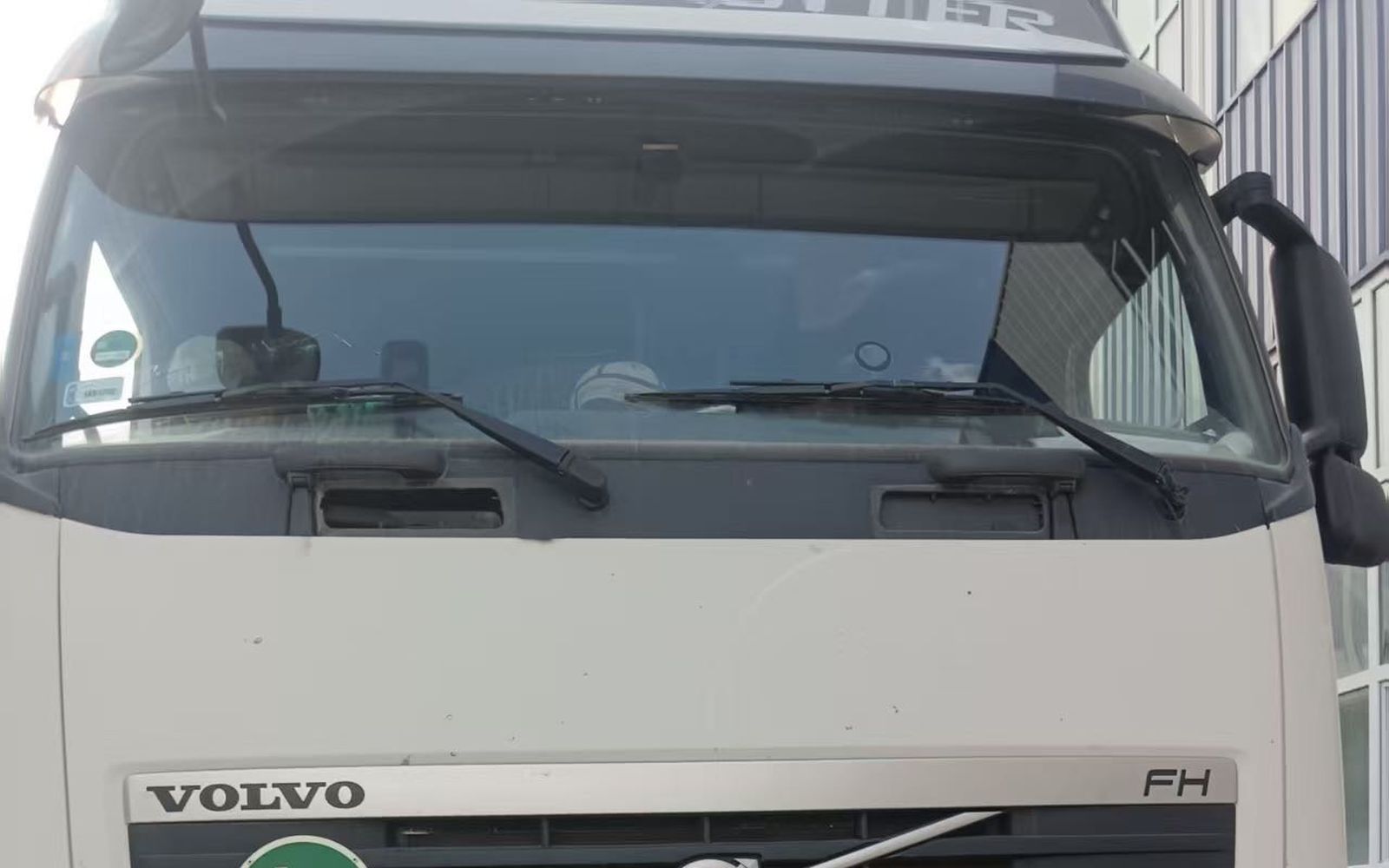
What cold does to trucks, cargo and packing
Cold is not a new corridor. It changes the physical state of what is already on the truck. Diesel thickens; pre-heat and restarts after a stop take longer, which lengthens queues outside the gateway rather than rewriting the quoted cube and payload. Battery capacity falls in the cold; if trackers or electronic seals run low, a tracking node drops — the cargo has not disappeared. These are operating effects. This site does not publish a temperature for a given month.
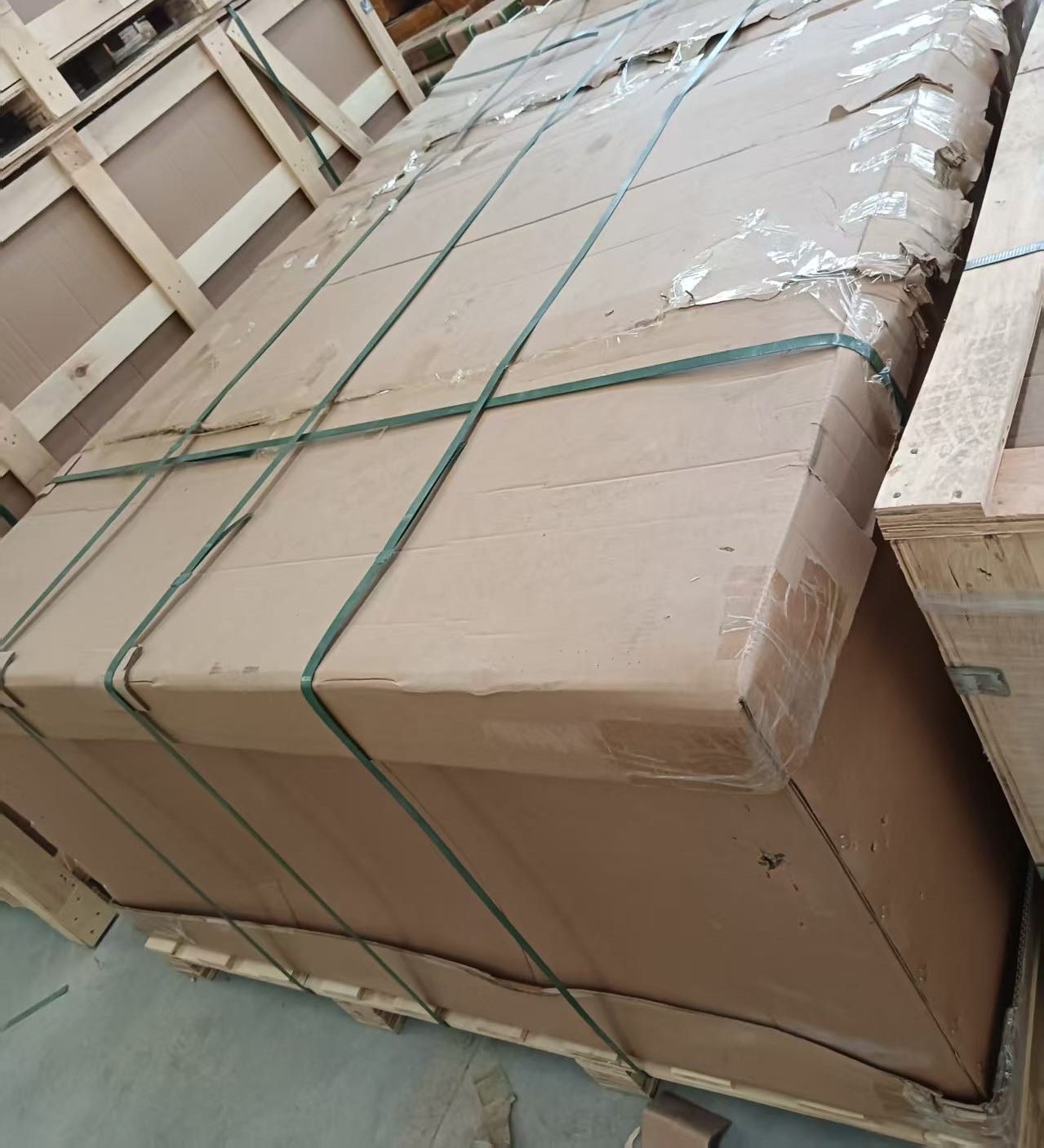
On the cargo side, packing fails more often than the commodity name “freezes”. Stretch film and some plastic corner boards turn brittle; straps that shrink in the cold can slacken when they warm. Cartons that take on moisture collapse on a transload forklift. Liquids, latex, water-based coatings, some adhesives and foods that the contract forbids freezing must be stated in the inquiry — not added verbally the night of loading. When a cold trailer enters a warmer warehouse, air inside the pack warms and moisture condenses on the inner film. Anti-freeze and anti-moisture are often the same packing job.
A curtainsider is not an insulated box and not a reefer. This site does not promise a held temperature. Cargo that must not freeze, wet or sweat needs pallets, wrap, desiccant and, where needed, an inner liner so a forklift at Bukhara or Osh can still move whole pallets. Crates must take a fork. Loose cartons and soft bales without a base are stopped at the origin hub; winter urgency does not override that.
Anti-freeze, moisture, loading and securing
Anti-freeze starts with the cargo: which liquids, gels, cells or instruments list a storage temperature on the documents. Without documents, do not say it “does not mind the cold”. Moisture control is about the transload: pallets off the floor, wrap over the top, corner boards on the edges, marks on two sides matching the packing list line for line. Desiccant works inside a sealed layer. A sheet of film on the outside of the curtain is torn off at the first transload.
Loading and securing need a second check in winter, not a separate “winter service” line. After the curtain opens, keep snow and meltwater out of pallet gaps. Recheck straps, angle iron and timber braces after loading and again after a transit transload — cold changes how they bite. Leaking drums, unmarked mixed cargo and crates that will not fork are refused at the origin hub. Securing and lifting are excluded from the default quote; ask for them in the inquiry. Statutory-inspection cargo without the inspection file is priced separately for inspection.
Snow, ice and closures: leave slack in the plan
Snow, ice, poor visibility or a temporary closure in a transit country stop the truck outside a gateway, at a transload yard or on the road — not inside the transit table on the website. Iran ranges on this site apply only to the Wuqia line as current operating ranges, not a commitment. Khorgos transit is given with the quote. When you inquire in winter, give a cargo-ready window rather than a single day. The consignee’s broker should wait for the warehouse receipt on that window, not back-calculate a pickup date from a calendar.
Whether a road closes, and on which day, follows notices from the gateway and the transit roads at the time. This page does not list “this pass closes every year in month X” without a checked source and date, and it does not turn slack into a new promised range. A formal quote carries a number and a validity period. If the road changes inside that period, a new written confirmation applies. Insurance is not in the freight quote. Damage procedure is on the claims page; weather waiting is not automatically cargo damage.
Declaring general cargo and lithium batteries
General cargo can be quoted. Commodity, HS code, piece count, gross/net weight and volume belong in the inquiry once. Do not replace them with “spare parts, various”. Class 3 flammable liquids, class 8 corrosives, class 6.1 toxics, and cargo that needs a tank or an ADR plate, do not load on this general-cargo curtainsider. Whether a separate unit can be quoted is a formal-quote question; this page does not pre-commit.
Lithium batteries (UN 3480 / UN 3481) must be declared at inquiry with a 16-section MSDS and UN packaging documents, confirmed per shipment on a formal quote. Undeclared lithium is still refused. Power banks or cells mixed into “general cargo” are stopped at receiving. Cold does not rewrite that rule: documents first, then loading. An MSDS is enough for us to decide whether the unit can load. Import licences, standards and clearance in Iran are the consignee’s broker’s work after the warehouse receipt.
Inquiry data and the delivery boundary
No published rates. Send the inquiry to sales@cargoirantruck.com or use the quote form. Send together: gateway (Wuqia, Khorgos, or not sure), destination country and city, delivery method, cargo description, HS code, volume (m³), weight, truck count and cargo-ready date. For lithium, add the UN number, 16-section MSDS and UN packaging documents. Packing photos and any freeze or moisture ban help if you have them. Warehousing, loading and export declaration are in Xinjiang. The formal quote goes by email with a quote number and a validity period.
Only two deliveries are confirmed, including in winter. Yard-to-yard: warehouse / terminal → destination terminal; for Iran the buyer clears at Sarakhs. Iran CPT / DAP: to the Tehran West Customs bonded warehouse, where the consignee’s broker clears, pays duty and arranges local collection. Neither includes door-to-door, DDP or destination clearance. Mashhad Customs and Aprin Dry Port are not confirmed regular delivery points; they are quoted on demand and confirmed per shipment on a formal quote. The quote includes freight, China-side warehousing, loading, China export declaration and foreign transit agency fees. It excludes destination clearance, insurance, inspection, securing / lifting, extra overseas costs and over-limit charges.
FAQ
Must winter cargo leave through Khorgos?
No. Both Wuqia and Khorgos are in scope. The winter choice depends on whether the gateway and transit roads are open, whether the 0.4% Kyrgyzstan transit tax is acceptable, and whether delivery is yard-to-yard or Tehran West Customs. This site does not forecast closure dates and does not name a winter default gateway.
Do the Iran transit ranges on the site still apply in winter?
Those figures are current operating ranges for the Wuqia line only, not a guaranteed transit. Khorgos transit is given with the quote. In winter, allow slack for snow, ice, closures and border queues. Use the range on the numbered formal quote; quotes state a validity period.
Do you deliver door-to-door?
No. Two delivery methods are offered: yard-to-yard to the destination terminal, with the Iran buyer clearing at Sarakhs; or Iran CPT / DAP to the Tehran West Customs bonded warehouse, cleared by the consignee’s broker. Neither includes door-to-door, DDP or destination clearance.
Can lithium batteries move in winter?
They can be quoted. Lithium batteries (UN 3480 / UN 3481) must be declared at inquiry with a 16-section MSDS and UN packaging documents, and confirmed per shipment on a formal quote. Undeclared lithium is refused. Cold does not change the declaration rule; cells and packing follow the documents, and they must not be mixed into general cargo.
What should an inquiry include?
Gateway (Wuqia, Khorgos, or not sure), destination country and city, delivery method (yard-to-yard, or Iran CPT / DAP Tehran West), cargo description, HS code, volume, weight, truck count and cargo-ready date. For lithium, add the UN number, 16-section MSDS and UN packaging documents. Packing photos and any freeze or moisture limits help if you have them.
Related: How to pack cargo for a China–Iran TIR curtainsider · How tracking works on a China–Iran TIR truck · Shipping polymer granules and chemicals by truck from China to Iran · Cargo damage claims on a China–Iran TIR truck · Iran road freight from Xinjiang · Request a road-freight quote